It’s not about policy. It’s about people.
Featured Subjects
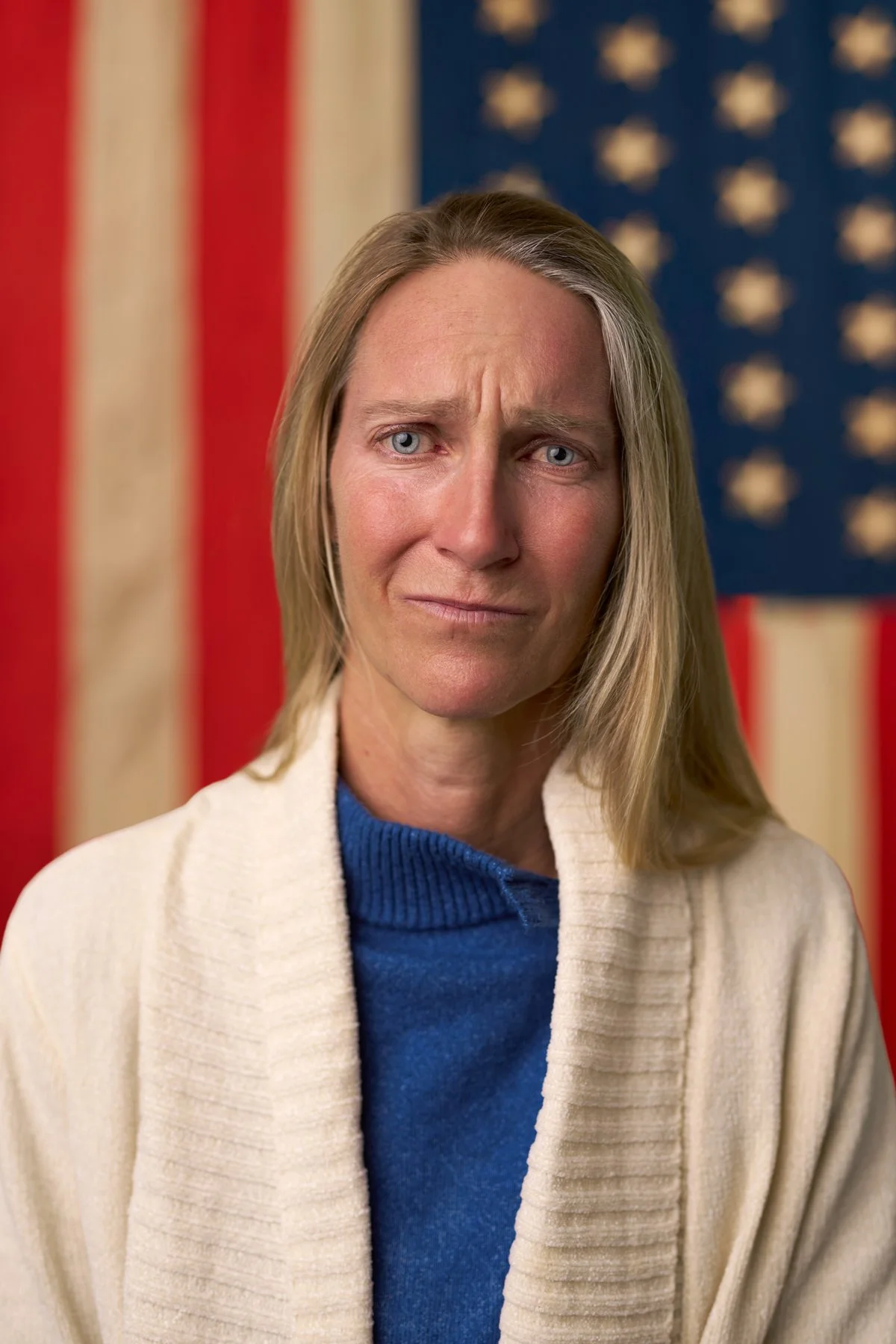
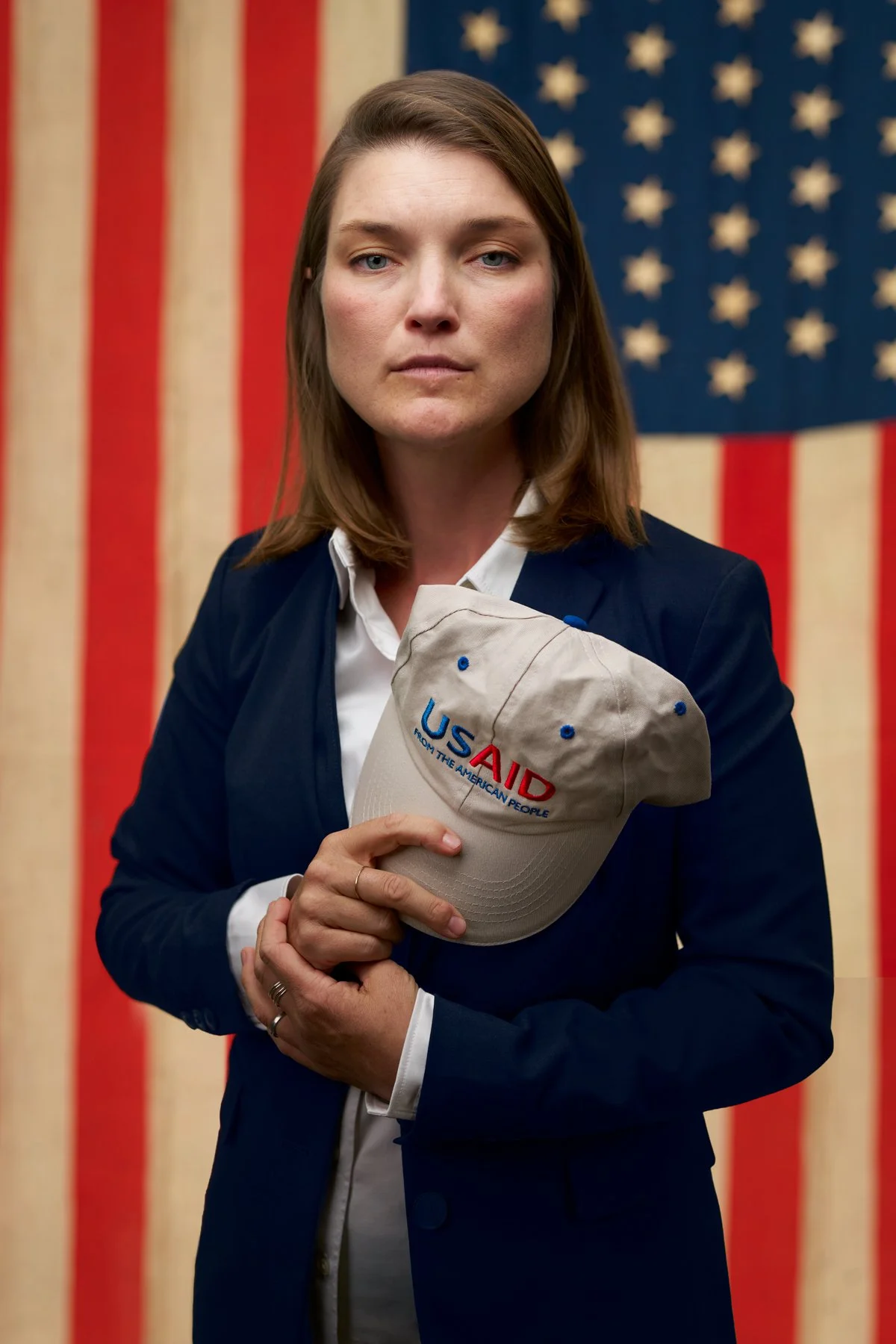
Former USAID Foreign Service Officer, Global Health & U.S. Air Force Veteran
May 2025
“People in the countries USAID serves aren’t being supported anymore. Contractors with places like Chemonics, Save the Children, universities and research labs, farmers, and people in the supply chain for HIV drugs are all affected.
All of the people who worked for USAID are in a state of utter shock and hopelessness. I can’t sleep at night. I’m not getting exercise. I feel like shit — physically. This has been extremely traumatic. I’m not going to have a pot to piss in, and I’m turning 55.
My sons and I cling to each other. They’re on free lunch at school. Right now, in my cabinet, I have gift certificates for Harris Teeter, pasta, and dry oatmeal. We don’t have anything. I’m just patching together a life, and we’re not thriving. We’re dragging; we’re depressed; we’re scared. I believed this was stable work — service to my country that would let my sons see the world.”
Alexandria
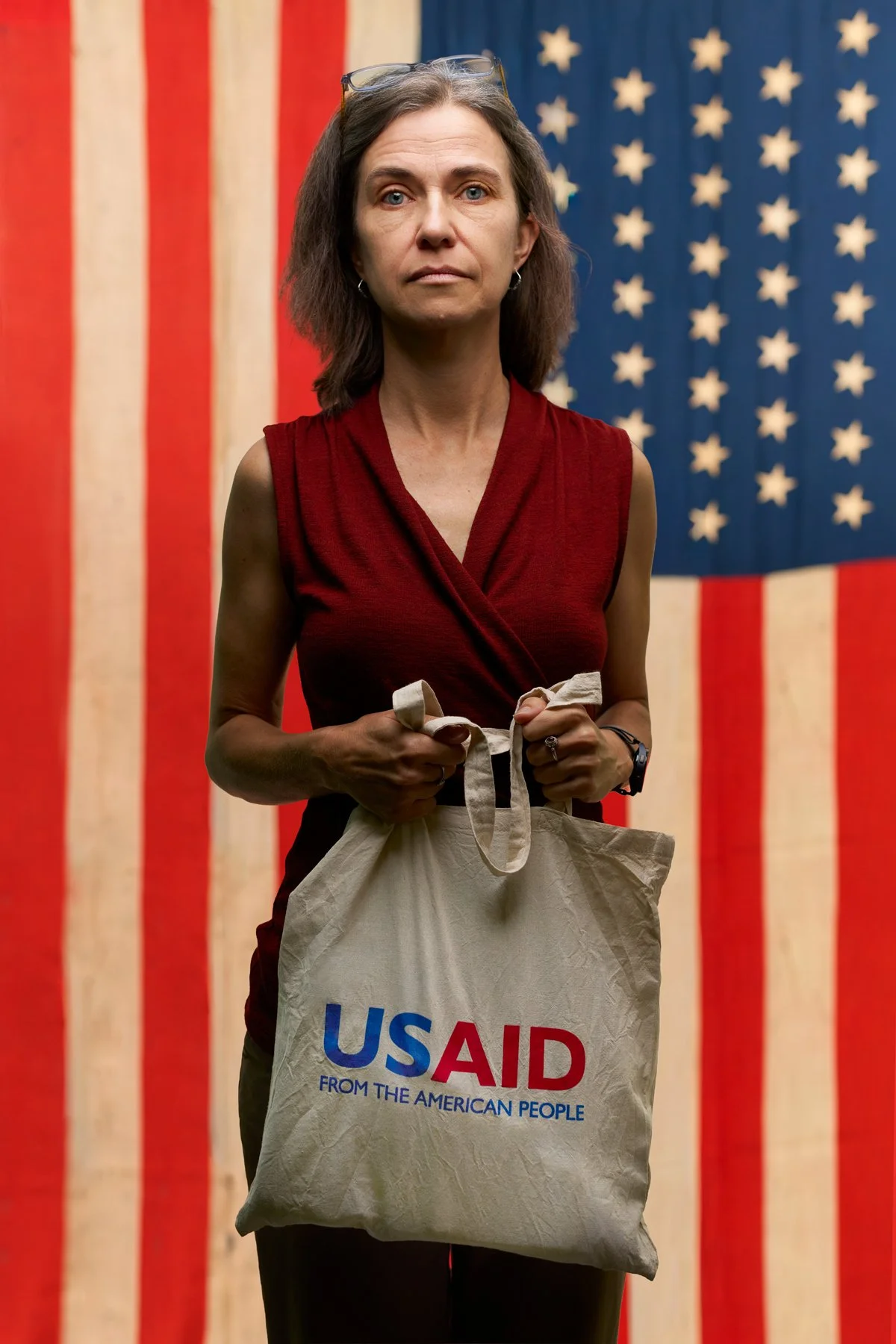
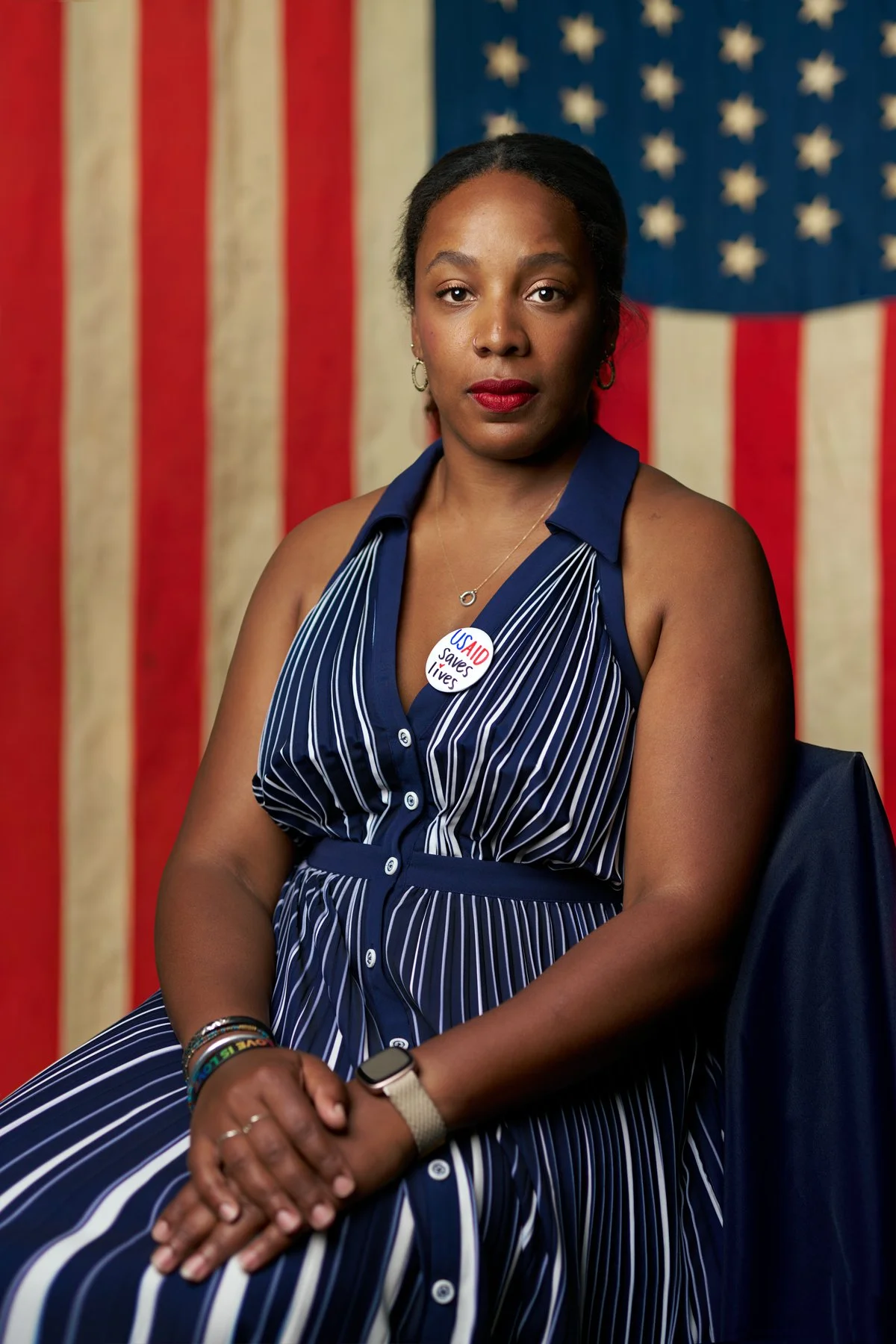
Former USAID Program Specialist, Gender Equality
May 2025
“It took the rapid and extreme changes of this Administration to appreciate that America was an amazing country to grow up in because we made significant investments in science and health. I had a dream of ending world hunger or eradicating malaria and believed I could pursue that dream as a career. Now a lot of that is being lost. What is so great about America?
I try to be hopeful, but I’m really concerned that there are no longer opportunities for people who want to spend their career genuinely trying to make the world a better place. It took me a long time to land at USAID. I’m very concerned when I imagine a future America where there is not a market for people who want to make the world a better place.
My husband and I had a lot of plans for this year. We’d been saving up to buy a home and were hoping to do that by the end of 2025 and also planning to start a family. I had it all mapped out. My husband is at high risk of being fired as he is also a federal employee. Things are bad, we’re so concerned about the state of the country, that we hardly talk about back when we wanted to start a family. It feels almost “a little bit like a luxury” — like a house and a family is a luxury. We’re in crisis — both me and the country. We need to fight. We can’t sit back and let this happen. We have to speak out and organize.”
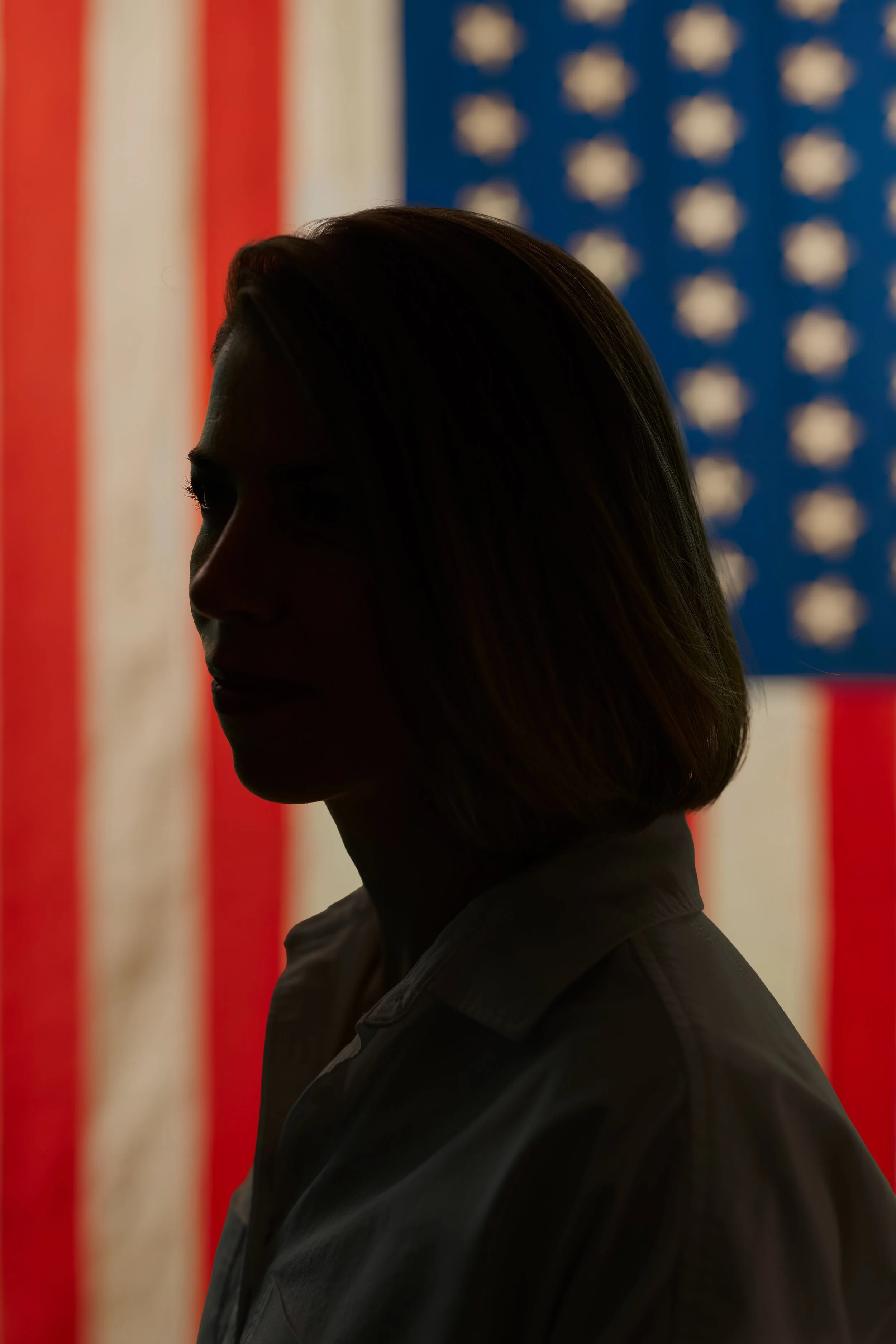
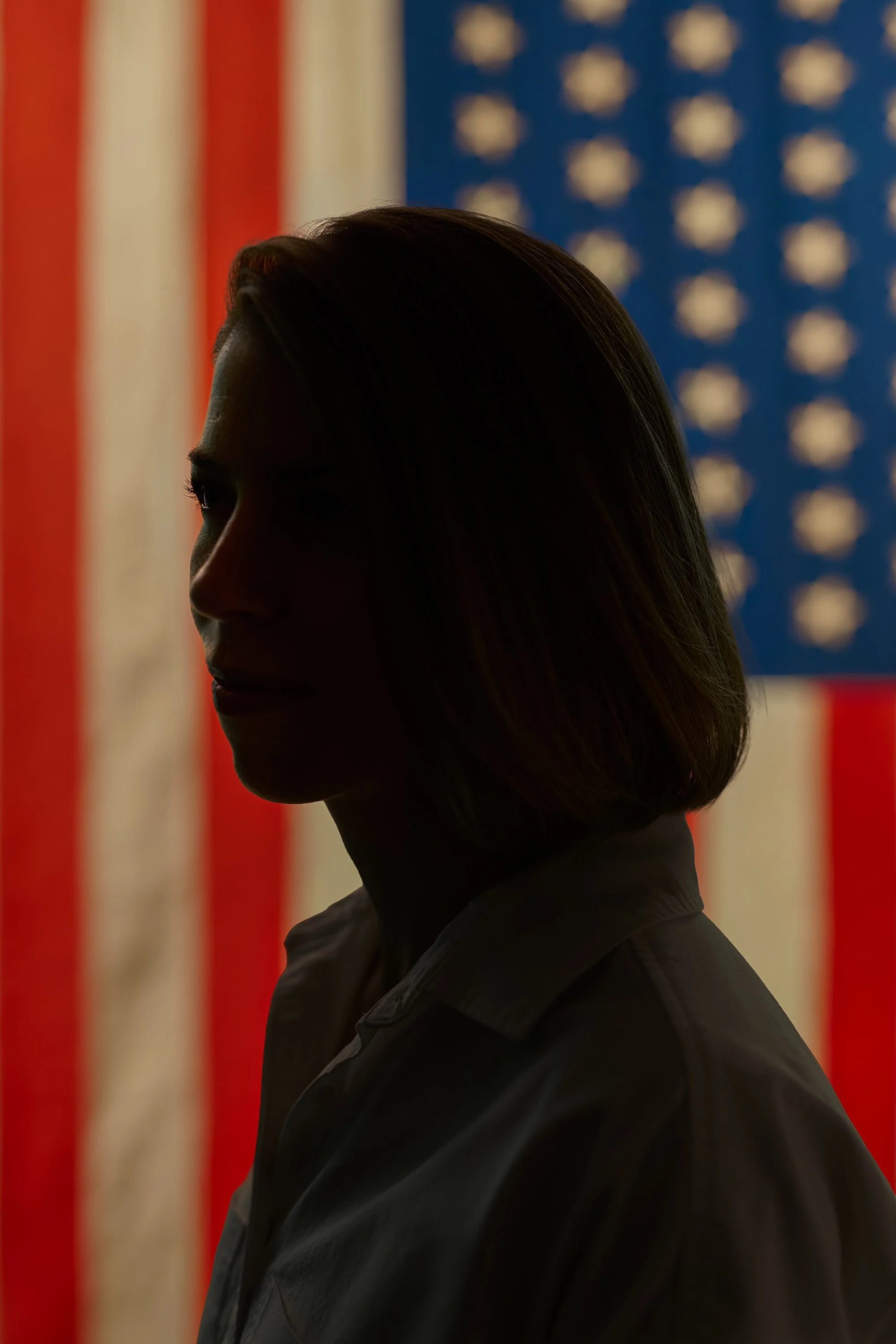
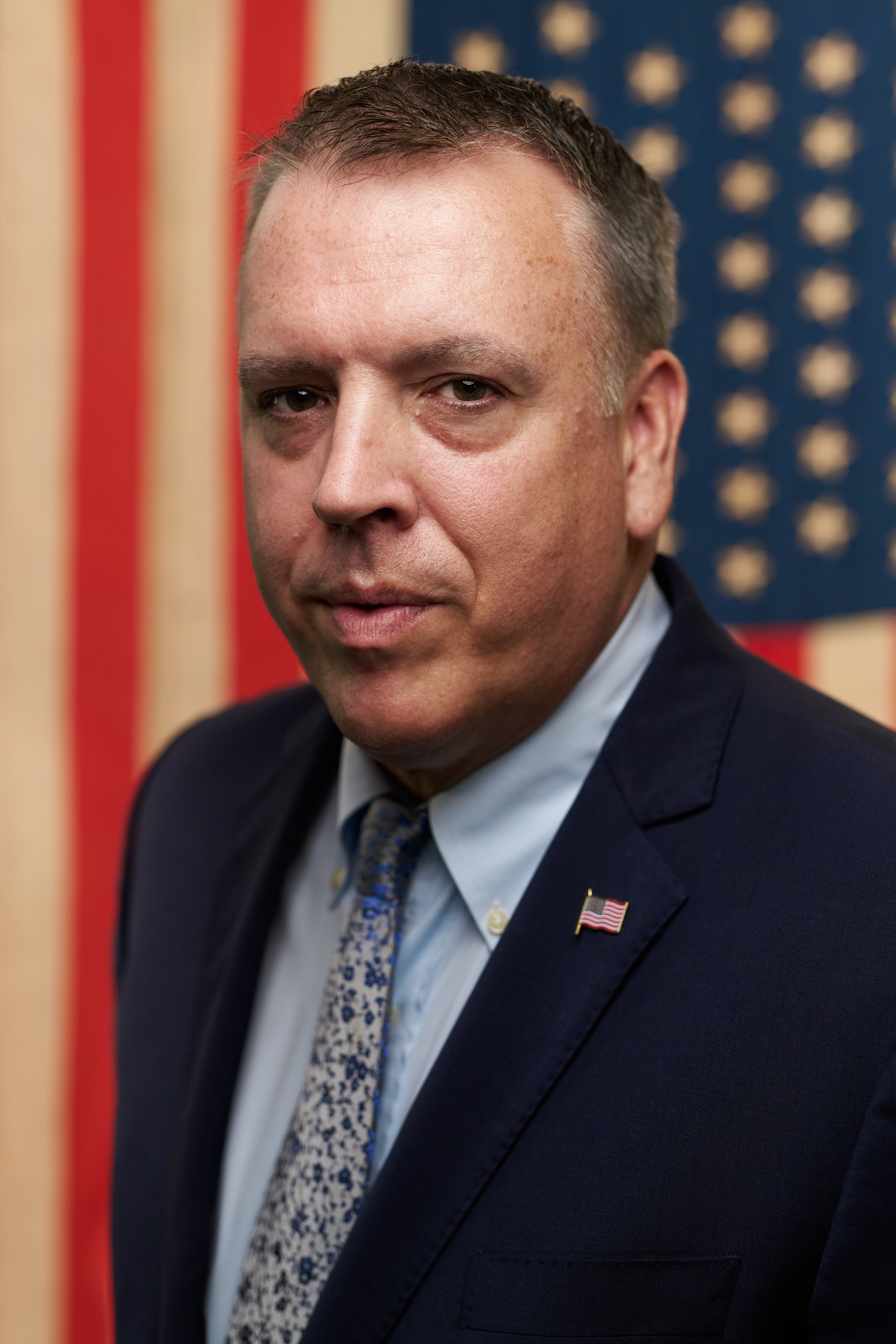
Former USAID Senior Safeguarding Analyst, Protection from Sexual Exploitation & Abuse
July 2025
“I’m a single mom, and my kids’ dad also worked for USAID and was laid off. So both parents, now in two different households, are dealing with unemployment, job searches, and cutting finances at the same time.
It was immobilizing for a couple of months, just trying to process what was really happening. It wasn’t feasible for me at the time to just pick up and start looking for jobs. My entire sector is gone. I have to go through a whole career change at the same time. It was just very overwhelming.
I had to go through the process of letting it sink in before I could pick the pieces up enough to figure out what I was going to do. The bills are still coming and I’ve got kids to support and a mortgage to pay. Fortunately, I’ve had very supportive friends and family, and a supportive community of other USAID colleagues and neighbors.
My role as a safeguarding analyst focused on strengthening protections for the people receiving foreign assistance. We looked specifically at preventing sexual exploitation and abuse, child abuse, sexual harassment, and trafficking in persons — especially among the most vulnerable populations, like women and children. Our job was to make sure that aid meant to help people didn’t end up putting them at further risk.
There’s this perception that U.S. taxpayer dollars are being wasted on foreign assistance. What’s been so hard to accept about that argument is that the world we live in is interconnected, and we have a moral responsibility to treat people with dignity. When safeguards and support disappear, the people who are already most vulnerable don’t become safer — they become even more at risk.”
Sarah W.
About the Project
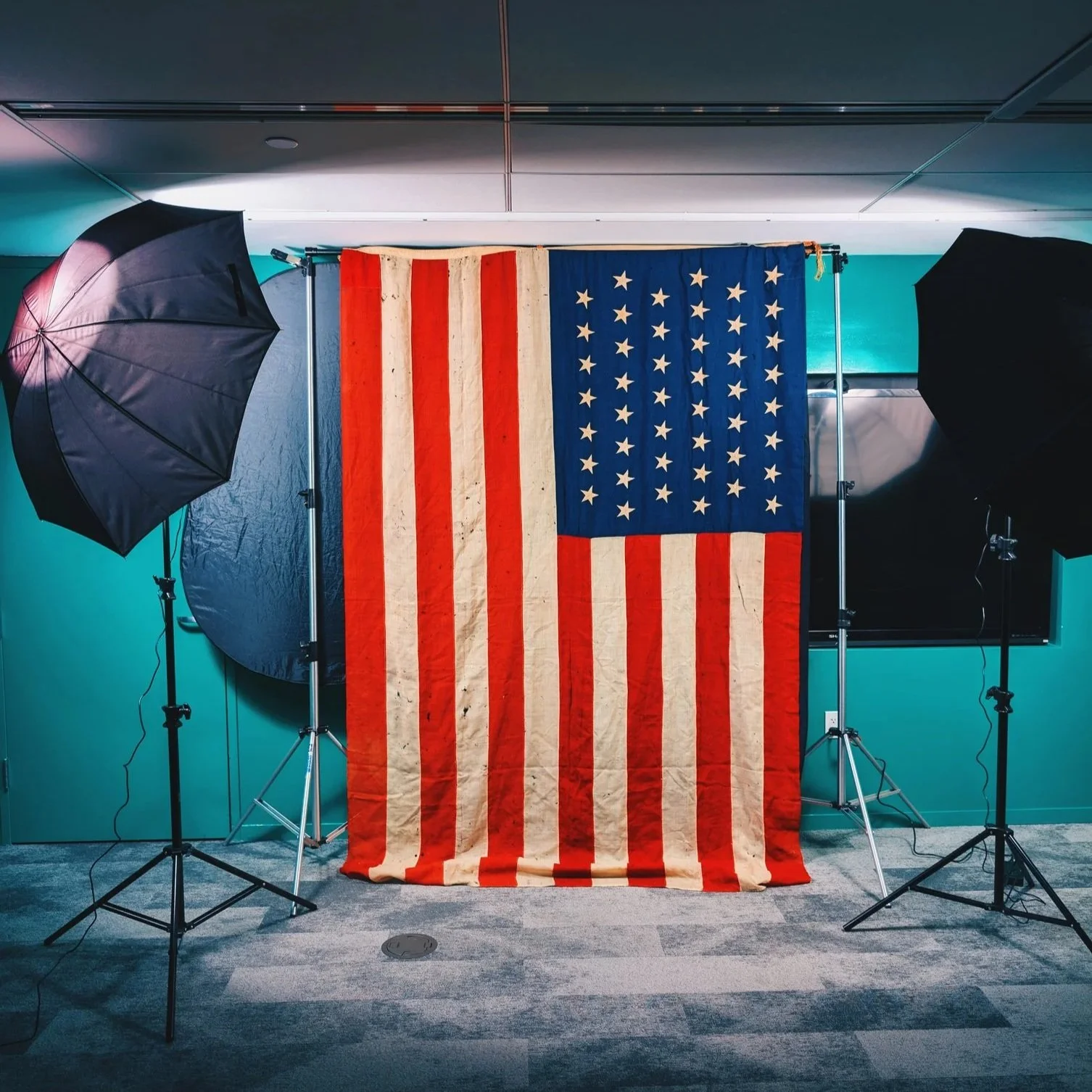
Department of Government Waste is an ongoing documentary portrait project examining the human impact of federal layoffs, budget cuts, and program eliminations. Through portraiture and first-person storytelling, the work reframes policy decisions often reduced to numbers and headlines.
Contact Us
If you have been affected by federal layoffs or program cuts and are open to sharing your story, we would love to hear from you. Participation can be anonymous if preferred. Your experience matters, and this project exists to ensure it is seen and remembered.